

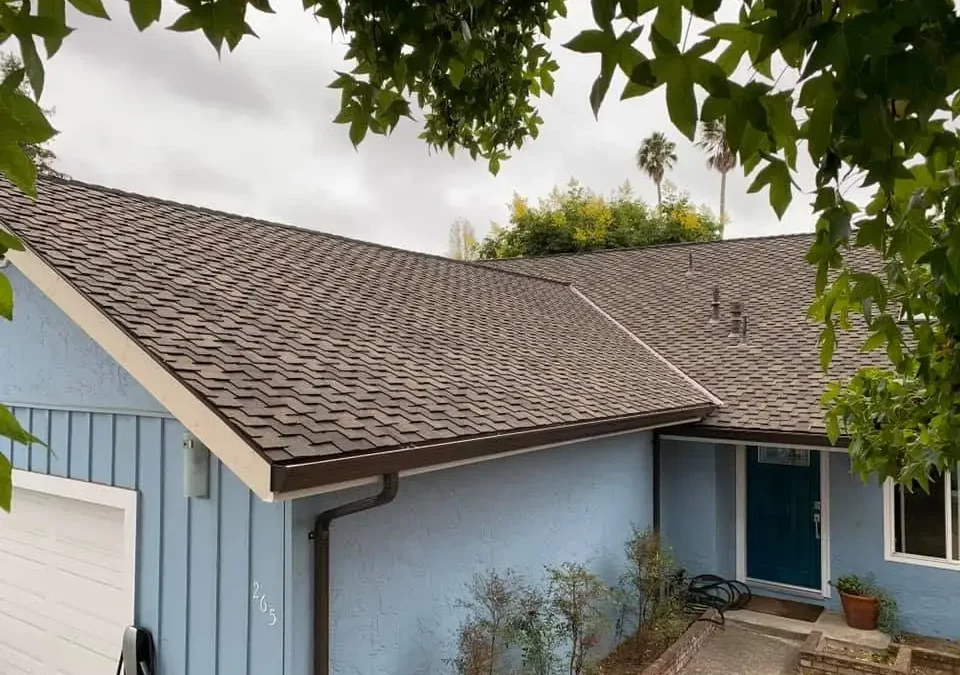
Capitola’s ocean views, coastal weather, and proximity to the Santa Cruz Mountains are part of what make the community special. However, those same conditions expose local roofs to heavy rain, salt air, strong wind, changing energy requirements, and wildfire embers.
Coastal roofing in Capitola, CA requires more than choosing an attractive shingle or fixing a leak when it appears. Homeowners need a roofing system designed for local exposure and a maintenance plan that catches small problems before they lead to interior water damage, mold, structural decay, or emergency repairs.
At Redwood Roofing, we help homeowners throughout Capitola and Santa Cruz County protect their properties. Because our team works in this coastal environment, we approach local roofs with the region’s rain, marine air, vegetation, and building requirements in mind.
Quick Overview: Coastal Roofing Challenges in Capitola
| Coastal challenge | Parts of the roof at risk | Best preventive step |
| Atmospheric-river storms | Shingles, flashing, valleys, and underlayment | Inspect the roof before storm season |
| Salt air and coastal fog | Fasteners, vents, flashing, and metal edges | Use compatible corrosion-resistant materials |
| Energy-code requirements | Roofing products and permit documentation | Confirm current requirements before installation |
| Wildfire embers | Roof coverings, gutters, vents, and exposed gaps | Maintain a Class A-rated assembly and clear debris |
1. Atmospheric-River Storms Expose Hidden Roof Damage
Sustained, wind-driven rain can turn a small roofing defect into a serious leak. Minor openings that remain unnoticed during ordinary weather may allow water into the roof deck, insulation, ceilings, and walls during a prolonged storm.
During a series of atmospheric-river storms in January 2023, the U.S. Geological Survey temporarily deployed rain gauges at 4 locations in Santa Cruz County to measure unusually heavy rainfall.
The problem is rarely limited to one visibly missing shingle. Water commonly enters through vulnerable areas such as:
- Loose or lifted roofing materials
- Cracked pipe boots
- Worn roof valleys
- Damaged underlayment
- Separated chimney flashing
- Poorly sealed skylights
- Clogged gutters that force water beneath the roof edges
The takeaway is simple: inspect the roof before storm season rather than waiting for a ceiling stain to appear. A professional evaluation can identify small openings while they are still manageable. Homeowners can learn more about how professional roof inspections help prevent expensive damage.
Signs Your Roof May Have Storm Damage
Check for these warning signs after strong wind or prolonged rain:
- Missing, lifted, curled, or cracked shingles
- Roofing granules are collecting near downspouts
- Bent, loose, or separated flashing
- Watermarks on ceilings or walls
- Damp attic insulation
- Musty odors inside the attic
- Gutters overflowing near the roof valleys
- Branches or debris resting on the roof
Never climb onto a wet or steep roof to investigate. Inspect it from the ground and schedule professional roof inspection services when you notice damage or suspect a leak.
2. Salt Air and Coastal Fog Accelerate Corrosion
Salt carried by marine air can accelerate the deterioration of exposed metal components. Fasteners, flashing, vents, panel edges, and other hardware may corrode faster near the coastline than they would in a dry inland environment.
The solution lies in choosing the right materials from the start.
Simpson Strong-Tie’s coastal-corrosion guidance recommends carefully matching stainless-steel grades and corrosion protection to the expected chloride exposure and specific application. Type 316 stainless steel may provide additional protection in highly corrosive coastal environments.
This is general corrosion guidance, not a universal roofing specification. Your contractor must still follow the roofing manufacturer’s installation instructions, product approvals, warranty requirements, and applicable building codes.
| Roof component | Possible coastal problem | Question to ask |
| Nails and screws | Rust or reduced holding strength | Are these fasteners approved for this product and coastal exposure? |
| Flashing | Corrosion around walls, valleys, and penetrations | Is the flashing compatible with the surrounding metals? |
| Metal panels | Damage near scratches, cuts, and exposed edges | How will penetrations and cut edges be protected? |
| Vents | Corroded screens or loose attachments | Are the vents rated for the same environment as the roof? |
| Sealants | Premature cracking or separation | Is the sealant compatible with the roofing and flashing? |
Mixing incompatible metals can also cause galvanic corrosion. Roofing materials, fasteners, flashing, and accessories should therefore be selected as a complete system rather than as unrelated parts.
Homeowners with an existing metal roof can review this local guide to metal roof repair and replacement in Capitola.
Routine cleaning may help remove debris and buildup, but homeowners should follow the manufacturer’s instructions. Aggressive pressure washing, harsh chemicals, or walking on the roof can damage protective coatings, shingles, seams, and flashing.
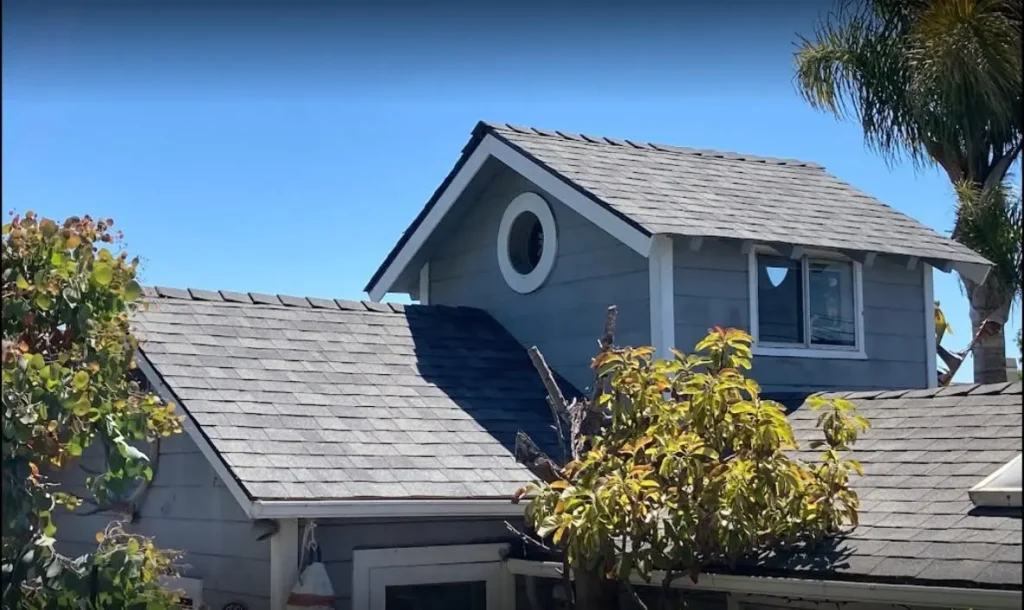
3. California Energy Requirements Can Affect Roof Replacement
California’s Energy Code may affect roofing products and project documentation, but not every Capitola roof replacement follows an identical cool-roof rule. Requirements depend on the building, project scope, compliance method, roof design, climate zone, and current code.
The 2025 California Building Energy Efficiency Standards apply to permit applications submitted on or after January 1, 2026.
California uses 16 climate zones because energy requirements vary by local conditions. Property owners and contractors can use the California Energy Commission’s building climate-zone tool and maps to identify the zone that applies to a specific project.
Before ordering shingles, tile, metal panels, or membrane roofing, confirm:
- Whether the project requires a permit
- Which Energy Code cycle applies
- The official climate zone for the property
- Whether the roof is steep-slope or low-slope
- Whether a rated roofing product is required
- Whether the project uses a prescriptive or performance compliance path
- Which product documents must be submitted
Do not select a product based only on the words “cool roof” in a brochure. Solar reflectance, thermal emittance, product ratings, installation details, and project-specific exceptions may all affect compliance.
Failure to confirm these requirements can delay inspections, permit closure, and future property transactions. A contractor familiar with local permitting can help homeowners compare compliant materials without sacrificing the home’s appearance.
When the existing system is beyond practical repair, review professional roof replacement services. New structures, additions, and major roof redesigns may instead require a complete roof installation.
4. Wildfire Preparedness Begins at the Roofline
A Class A-rated roof, clean gutters, protected vents, and sealed openings can make a home more resistant to wildfire embers. Capitola is a coastal community, but vegetation and nearby wildland areas mean ember exposure should still be part of roof maintenance and replacement planning.
During a wildfire, embers can travel ahead of the main fire. Because the roof is one of the home’s largest exposed surfaces, it can collect embers along valleys, gutters, roof-to-wall intersections, skylights, vents, and other attachments.
CAL FIRE’s home-hardening guidance for roofs identifies the roof as one of a home’s most vulnerable areas. It recommends Class A-rated roof coverings, closing gaps that could admit embers, and keeping roofing surfaces clear of debris.
Roofing products and assemblies that may qualify for a Class A rating include:
- Asphalt-fiberglass composition shingles
- Concrete or clay tile
- Cement shingles
- Qualifying metal roof systems
The fire rating applies to the tested roof covering or assembly—not simply the visible material. Underlayment, roof deck conditions, installation methods, gaps, and adjoining components can all affect performance.
Roof-Level Wildfire Checklist
- Remove leaves, pine needles, and vegetation from the roof.
- Clean combustible debris from gutters.
- Repair gaps that expose the roof deck.
- Inspect roof-to-wall intersections.
- Check flashing around chimneys and penetrations.
- Protect vents using code-compliant ember-resistant products.
- Confirm the complete fire rating before replacing the roof.
- Maintain defensible space around the property.
Wildfire protection can also affect insurance discussions. California’s Safer from Wildfires resources explain mitigation actions recognized within the state’s insurance framework. Discounts, underwriting decisions, documentation, and eligibility still vary by insurer and property.
Homeowners should contact their insurance carrier before a roof replacement to ask which materials, ratings, inspections, photographs, or certificates it may require.
Which Roofing Material Works Best in Capitola?
The best roofing material depends on the home, roof slope, structural capacity, coastal exposure, maintenance needs, budget, and preferred appearance. No single product is automatically right for every Capitola property.
| Material | Potential advantages | Coastal details to review |
| Asphalt shingles | Familiar appearance, broad selection, and straightforward repairs | Wind rating, fasteners, algae resistance, and flashing |
| Metal roofing | Long service potential, low weight, and Class A options | Coating, metal compatibility, edges, scratches, and marine exposure |
| Concrete or clay tile | Durable, attractive, and fire-resistant options | Structural support, underlayment, flashing, and broken-tile access |
| Low-slope membrane | Suitable for flat and low-slope areas | Drainage, seams, penetrations, and energy ratings |
A professional recommendation should consider the complete roofing system, including:
- Roof deck condition
- Drainage
- Underlayment
- Ventilation
- Flashing
- Fasteners
- Wind exposure
- Fire rating
- Manufacturer warranty
- Local permitting requirements
A Practical Coastal Roof Maintenance Schedule
Regular maintenance is easier and less expensive than responding to an emergency leak.
Late Summer or Early Fall
- Schedule an inspection before the rainy season.
- Clean gutters and downspouts.
- Remove branches and roof debris.
- Complete necessary roof repairs.
- Document the roof’s condition with photos.
After Heavy Rain or Strong Wind
- Check for missing or displaced roofing materials.
- Look for loose flashing.
- Examine ceilings and attic areas for moisture.
- Check that gutters and downspouts are draining correctly.
- Arrange an evaluation when damage is visible or suspected.
During Spring
- Inspect for winter storm damage.
- Look for moss, algae, staining, and corrosion.
- Clear accumulated debris.
- Review previous repair and inspection records.
- Plan larger projects before the next rainy season.
Protect Your Capitola Home Before the Next Storm
Small roofing problems rarely improve on their own, especially in Capitola’s coastal climate. A loose fastener, worn flashing detail, or small opening can remain hidden until sustained rain exposes it through a ceiling leak, damaged insulation, mold, or structural decay.
Redwood Roofing was founded in Santa Cruz in 2016 and is family-operated and locally based. The company serves the greater Santa Cruz and San Jose areas and provides roof inspections, repairs, replacements, and installations.
Redwood Roofing is licensed under CSLB License #1019214 and is fully insured. Schedule an inspection before the next major storm exposes a hidden leak or weakened component. Call Redwood Roofing at (831) 888-7790 to request an estimate.
FAQs About Coastal Roofing in Capitola
1. How often should a Capitola roof be inspected?
An annual inspection is a practical schedule for many coastal homes, ideally before the rainy season. Arrange an additional inspection after severe wind, prolonged rain, falling branches, or signs of an active leak.
2. Can I use standard galvanized roofing nails near the ocean?
The correct fastener depends on the roofing product, manufacturer instructions, code requirements, and level of coastal exposure. Ask the contractor to identify the proposed fastener material and explain why it is appropriate for the complete roofing system.
3. Does every Capitola roof replacement require a cool roof?
No. Requirements vary based on the project, roof design, climate zone, code cycle, and compliance method. Confirm the requirements with the contractor and local building department before selecting materials.
4. What are the most obvious signs of storm damage?
Common signs include missing or lifted shingles, loose flashing, roofing granules near downspouts, ceiling stains, damp attic insulation, and overflowing gutters. Hidden damage may still require a professional inspection.
5. Is a Class A roof enough to protect a home from wildfire?
A Class A roof is an important part of home hardening, but it is not the only step. Clean gutters, protected vents, sealed gaps, maintained flashing, and defensible space also help reduce vulnerability.